.jpeg)
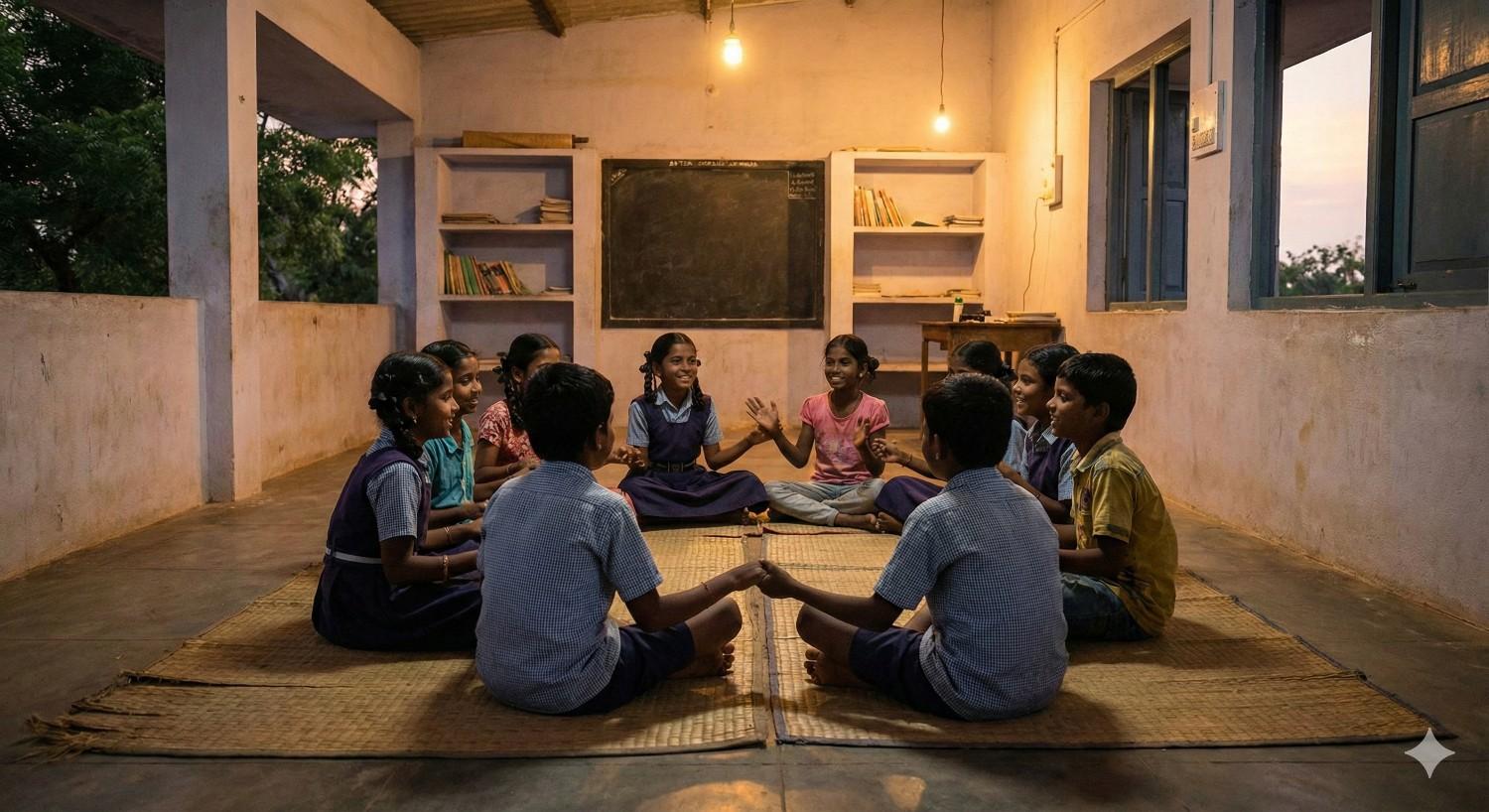
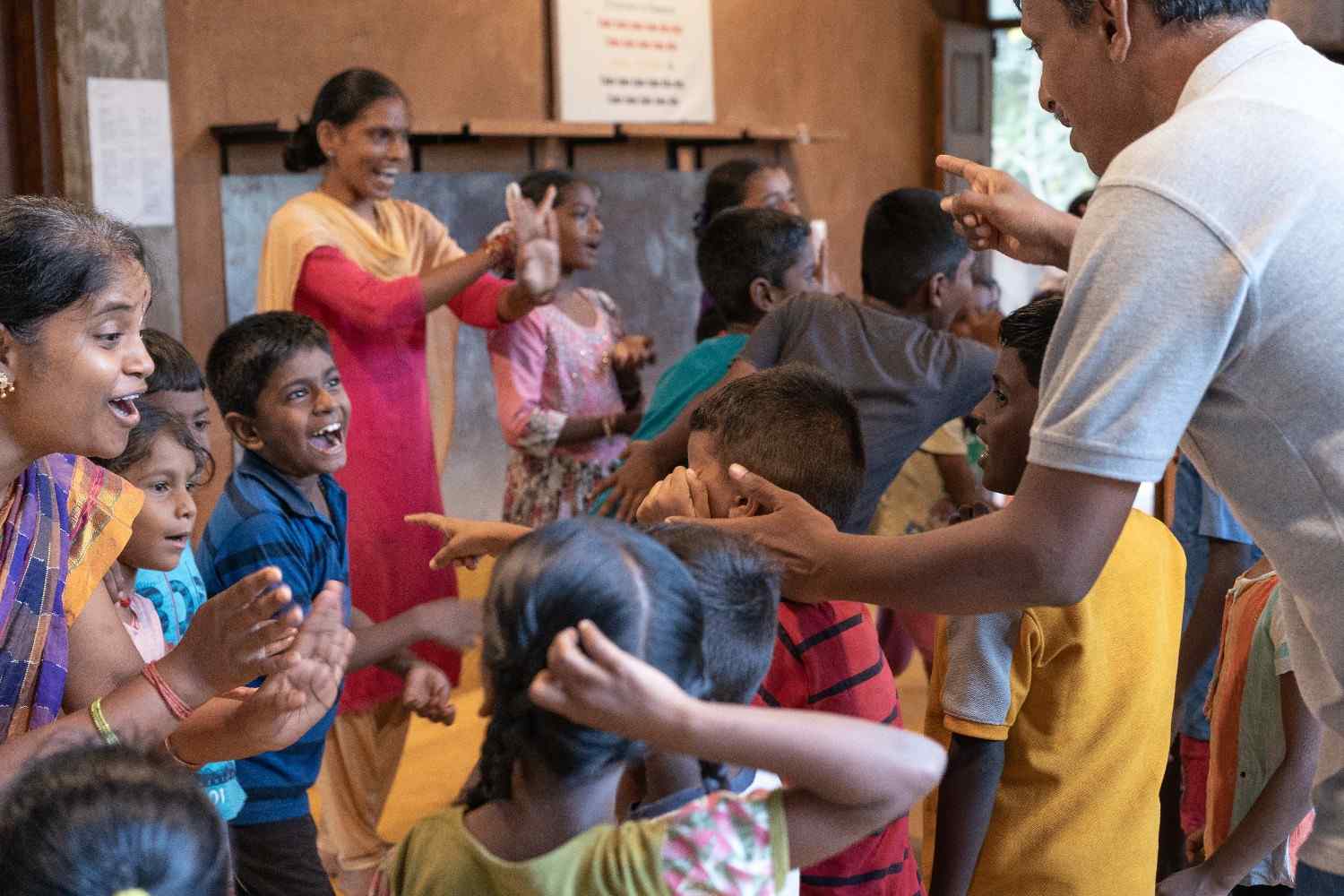
Yesterday evening at the Cala Centre, we had a beautiful learning experience with children from different grades. Interestingly, the session did not begin as a planned “measurement class.” It started casually while talking about holidays.
We asked:
“Where is your native place?”
“How far is it?”
“How many kilometres?”
As the children answered, we noticed something important. They were using words like kilometre, meter, and centimetre, but without a real sense of what those distances actually meant. A child would say 300 km or 500 meters very casually, without being able to visualize or estimate it meaningfully.
That became the starting point of the session.
Instead of directly teaching units, we first focused on helping children experience measurement.
We began with one meter.
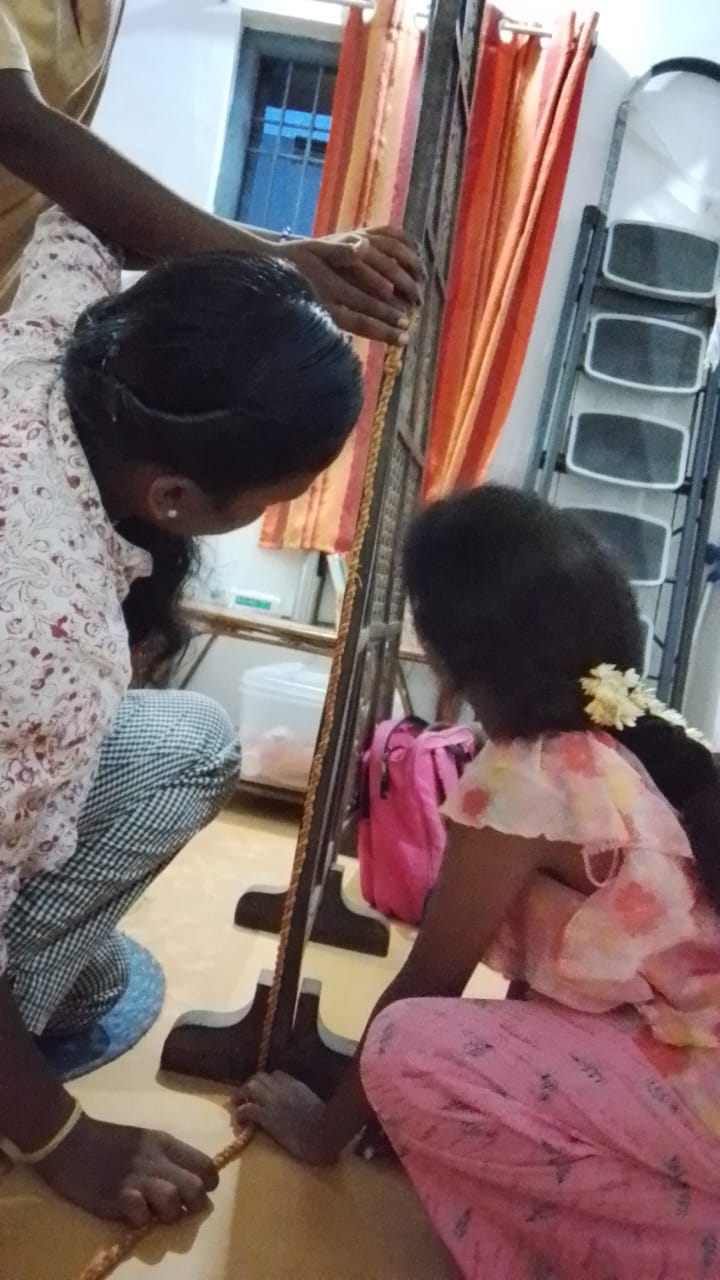
Using a scale and markings on the board, we slowly built from centimetres to one full meter so that children could actually see and feel how long one meter is. Many children had technically “learned” meter before, but this was probably the first time they connected it to physical space around them.
Then came the challenge:
“What do you think is the length of this room?”
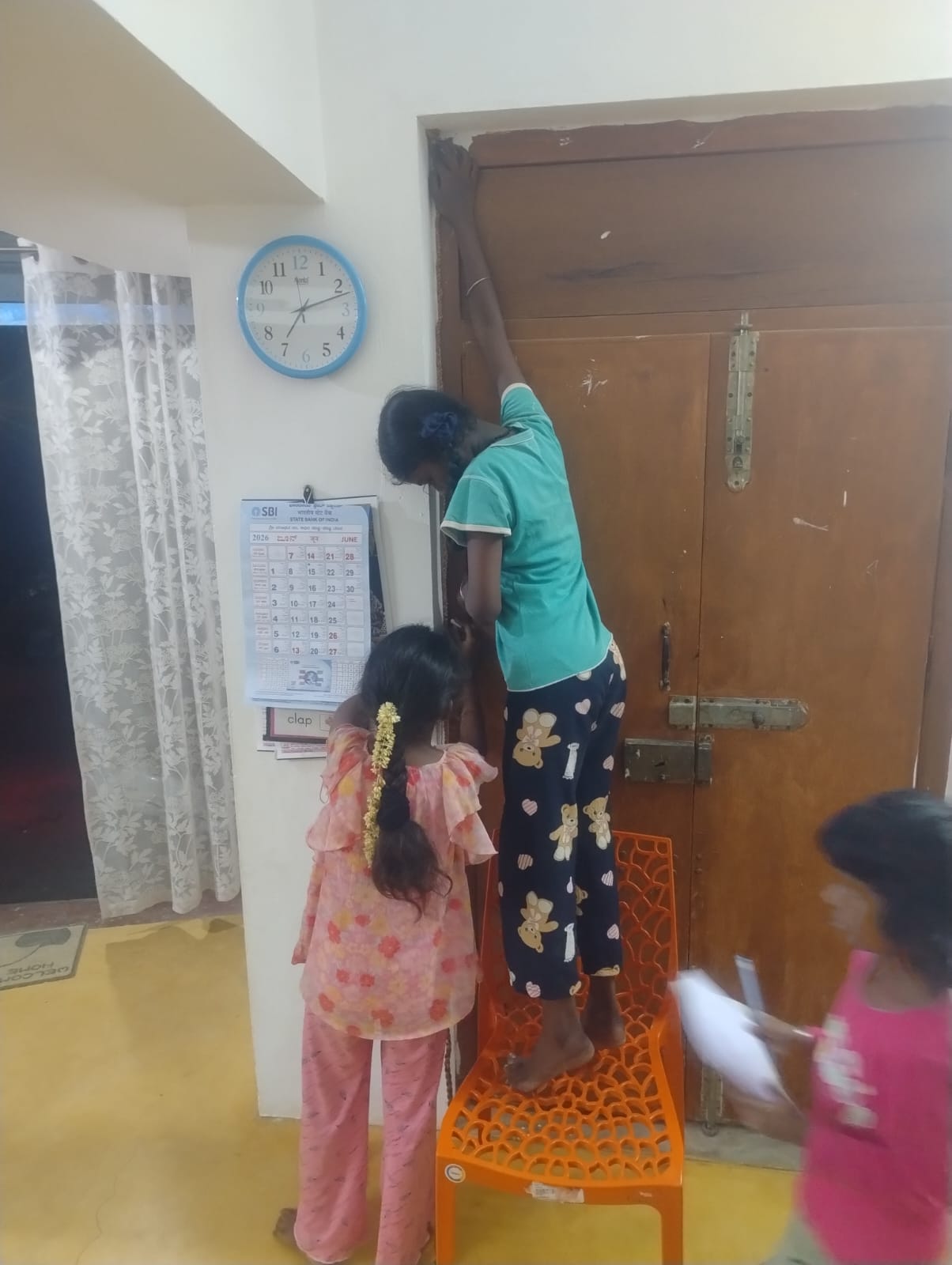
The guesses were completely random:
300 meters, 500 meters, 600 meters…
At first it looked funny, but actually it revealed something deep. The children did not yet have estimation sense. And estimation sense is not developed by memorizing units. It develops through repeated comparison with reality.
Instead of correcting them immediately, we asked:
“How can we measure the room without a measuring tape?”
This changed the energy of the class completely.
The children started thinking, discussing, trying ideas. Finally we used a rope, marked one meter on it, and repeatedly measured the room together. When they discovered the room was only around 7 meters long, there was genuine surprise.
Now we again asked them to estimate another side of the room.
This time their guesses became much closer.
Without formally teaching anything, the children had already started recalibrating their thinking.
That was the most important part of the session:
Prediction → Measurement → Self-correction.
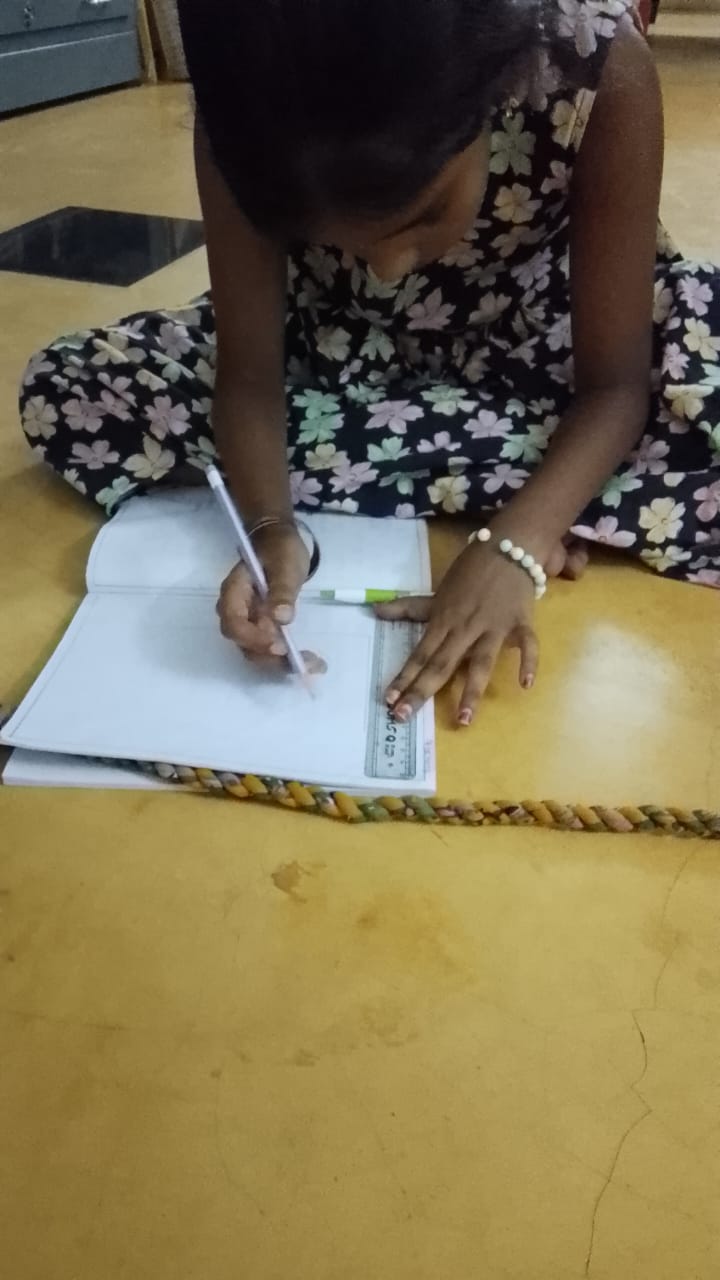
This cycle repeated again and again with objects around the room:
- tables,
- stairs,
- cupboards,
- wall lengths.
Slowly their estimates became sharper.
Something else interesting happened naturally. Children started using decimals on their own:
“1.5 meters”
“2.3 meters”
“0.8 meters”
Fractions and decimals were no longer textbook topics. They became useful tools to express reality more accurately.
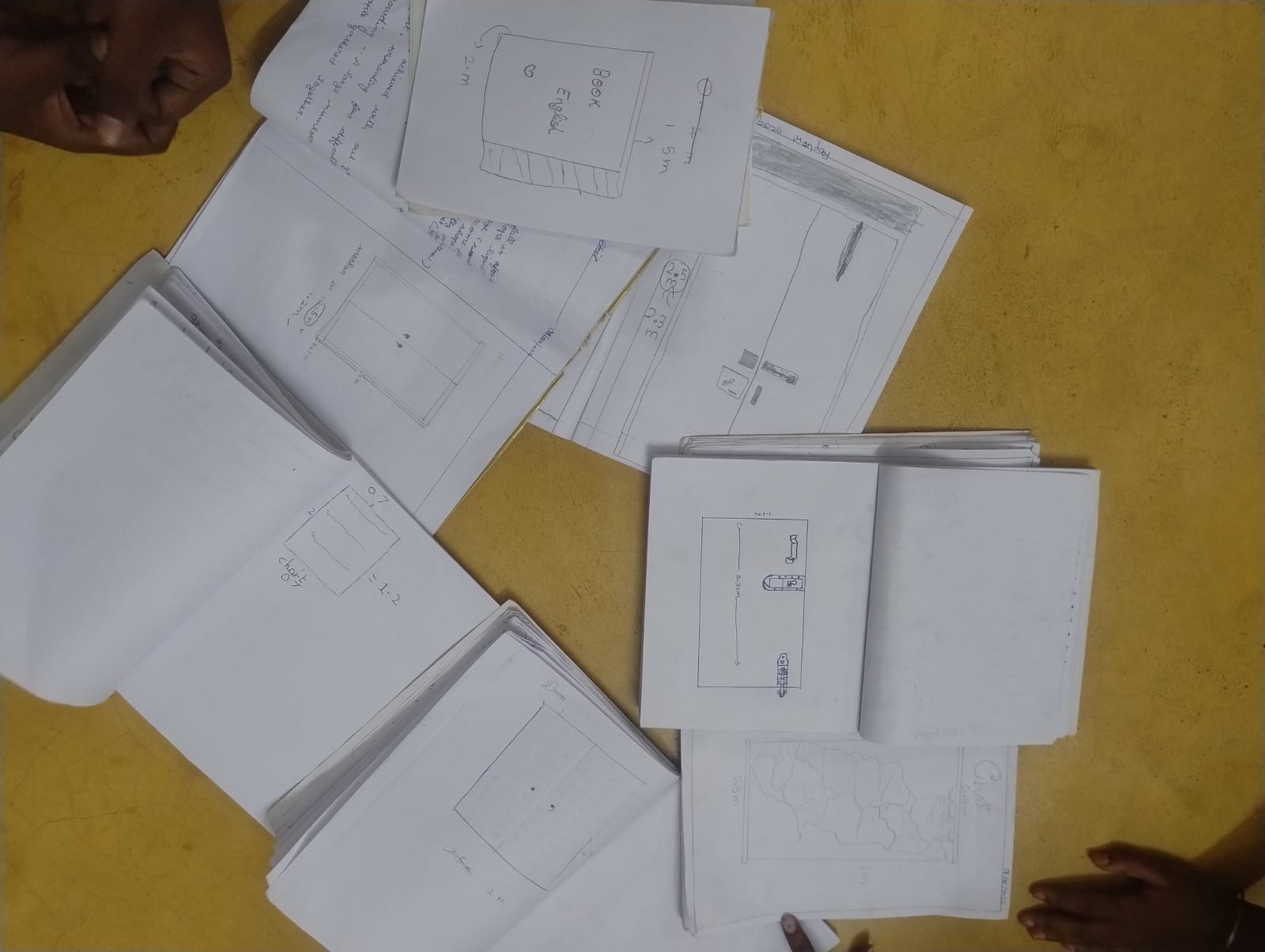
Towards the end, we asked the children to draw parts of the room or objects around them, write predicted measurements, and then measure and correct them. This helped them observe carefully and reflect on their own thinking.
Finally we extended the discussion outside the classroom:
“What is one kilometer?”
“When you travel on a bike, observe the speedometer and try to feel how far one kilometer actually is.”
The session reminded us of something very important:
Good pedagogy is not just about conducting activities.
The sequence matters.
The subtle process matters:
- first creating curiosity,
- then allowing wrong guesses,
- then giving children a chance to test,
- measure,
- observe,
- and self-correct.
That is how real understanding develops.
By the end of the session, children were not simply learning measurement units. They were developing:
- estimation ability,
- spatial awareness,
- observation,
- proportional thinking,
- and confidence in reasoning.
What looked like a simple activity was actually the gradual building of a deep mathematical sense.

 Jun 10, 2026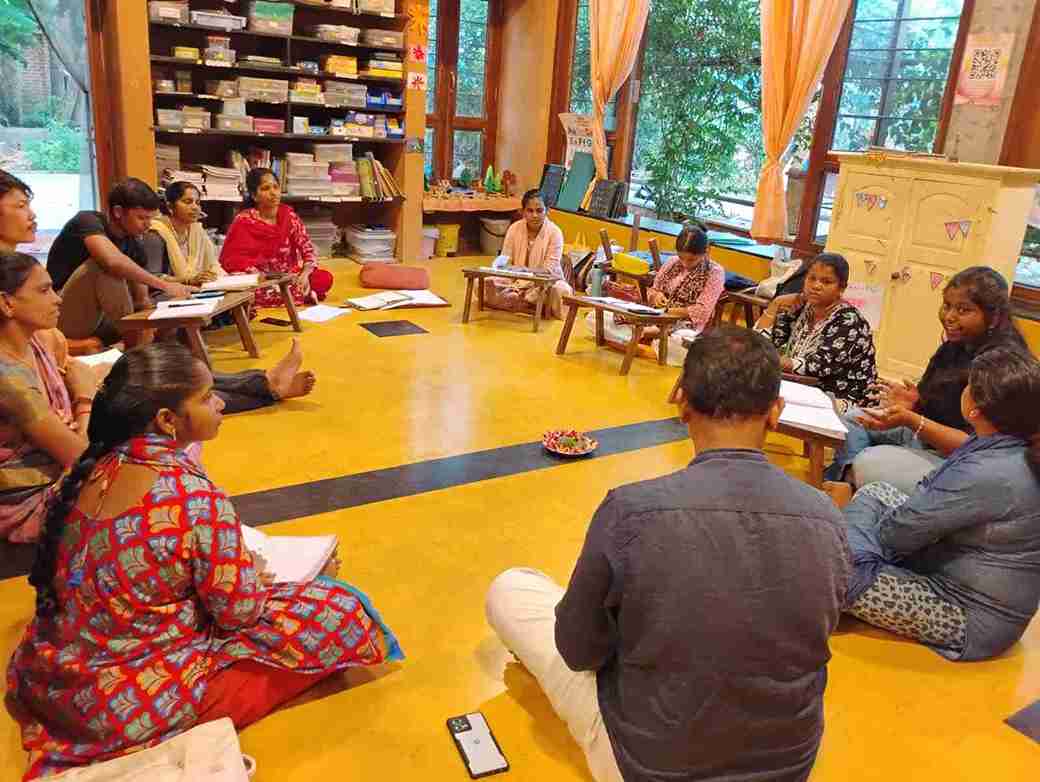


Blog Comments (0)
No comments yet.