CALA Center – A Living Learning Experience
CALA (Centre for Accelerated Language Acquisition) was established in 2024 in a rural area of Puducherry called Pudunagar, Alankuppam. The intention was to create a model after-school learning space in an underserved community, surrounded by schools where learning is dominated by rote memorisation, fear, and exam pressure.
In most schools here, comprehension is not required to pass or even to excel. Children mug up everything. They rarely ask questions. Many of them have never tasted the joy of learning, the aha moments, or the curiosity-driven desire to learn for themselves. Curiosity seems to die the moment they enter school.
Learning, for many, simply means writing questions and answers ten times. If a child is seriously writing something, parents feel reassured that learning is happening. Fake marks are trusted. This is the reality we wanted to change.
From Fear to Comfort
When children first joined CALA, the fear was visible, dancing on their faces and reflected clearly in their eyes. Learning had conditioned them to be afraid.
But within a few days, something began to shift.
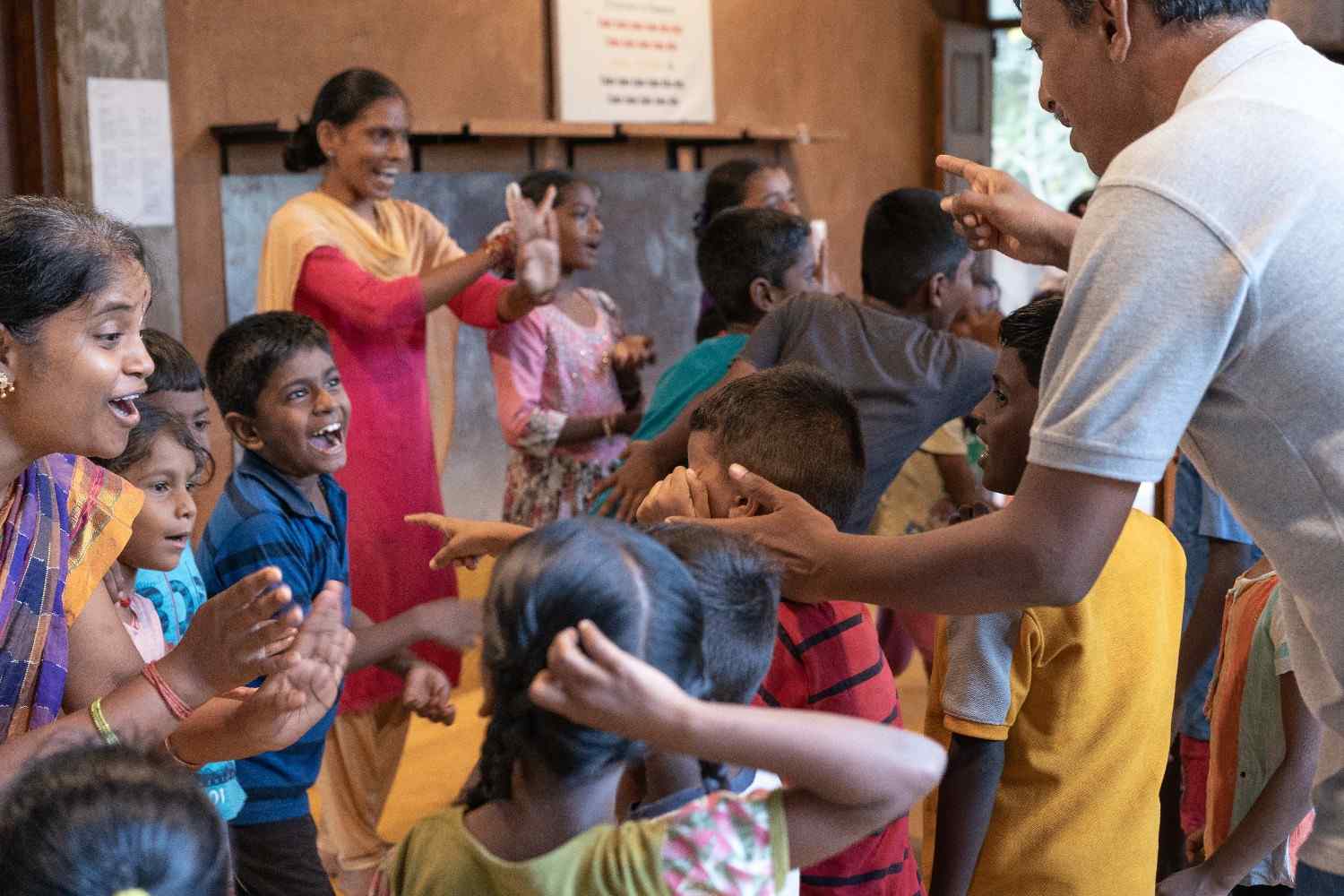
They became comfortable with the space. They started coming joyfully, without bags, books, or pens. Just like that. They did not feel they were coming to tuition or to “study”. They felt they were coming to a place where something enjoyable would happen.
Seeing that joy on their faces, watching them walk in freely without resistance, was our first confirmation that the learning environment mattered more than anything else.
Tasting the Joy of Learning
We wanted children to experience the joy of learning, the small successes, the glow on their faces when they achieved something on their own.
Slowly, they began to get deeply involved in tasks, losing track of time. One hour would pass without them realising it. They would not know when they had walked in or how the time had flown by.
This state of flow is what we wanted them to experience.
Our work over the past years, since 2017, across different settings, exploring active learning and how to trigger curiosity, shaped this belief deeply. Without an inner fire for learning, nothing meaningful can happen. Through these action-researched pedagogies, we are now able to create moments of this timeless flow naturally in CALA classes.
And we were lucky. Most of the time, the children were in it.
On days when they were not, we understood something important. It was not a problem with the children. It meant we were not prepared enough. There were gaps in our knowledge, skills, or experience.
On days when they were not, we understood something important. It was not a problem with the children. It meant we were not prepared enough. There were gaps in our knowledge, skills, or experience.
Those moments became our learning moments, where we paused, reflected, and learned how to facilitate learning, not teach it.
Meeting Children Where They Are
Our aim was simple.
We wanted children to read their textbooks confidently and understand them.
But when they came to CALA, the reality was stark. Some children studying in Grades 7 and 8 could not spell simple kindergarten words like cat, bat, or mat. Many could identify fewer than 30 words from the Dolch sight word list, the most frequently used 220 words.
The biggest challenge for us was not the academic gap. It was fear.
Once fear reduced, something natural happened. Children became like springs and sponges, absorbing language effortlessly. Even we were surprised.
Within a few months, children who were at kindergarten reading levels began reading Grade 2 texts comfortably and joyfully. When we saw the confidence and joy that came with these achievements, the sense of fulfilment was deep.
The most powerful moment was when children clearly said,
“I am comfortable with this text. I will read this.”
No hesitation.
No shame that it was a lower-grade book.
That is when we felt we had created the right learning environment, one where children learn according to their learning needs, not forced grade levels.
Becoming Independent Readers
We wanted children to become independent readers, so we started a small library.
Initially, there was reluctance. Books felt unfamiliar.
Then we introduced Tamil storybooks.
Suddenly, everything changed.
Children loved them. They started reading willingly. We saw a sudden jump in library usage once Tamil books were included. One day, with confidence in their voice, they said,
“Now we will read English.”
This moment helped us understand something crucial, the transfer of skills from one language to another. The comfort and confidence children developed with Tamil books naturally extended to English.
Slowly, we moved from funny stories to simple biographies and novel-length books. Children at Level 3 began reading them and became inspirations for Level 2 children.
We Celebrate Development, Not Achievement
The kind of interaction children have at CALA is striking.
They are fearless.
They clearly express what they can do and what they cannot do.
When we gently push them towards a slightly challenging task with support, they do not panic. They approach it neutrally and tell us exactly where they need help.
They explore:
-
- puzzles and DIY kits
- map puzzles and Olympiad books
- math games and IQ games
- physical games and group activities
- songs and celebrations
They learn how to work collaboratively, how to take responsibility when freedom is given, and how to inspire each other, not by copying, but by doing things in their own way.
What strikes us deeply is how independent children become. When they are capable of doing something, they do not want support. When children take responsibility for their own learning, comparison disappears.
We celebrate development, not achievement.
This creates a profound shift in perspective. Children are no longer burdened by targets or ranks. Their focus is on growth. These simple but powerful elements are often ignored in schools where scale, compliance, and control take priority.
How this can be scaled without losing its soul is part of our current action research in other settings.
A Simple Space, A Powerful Change
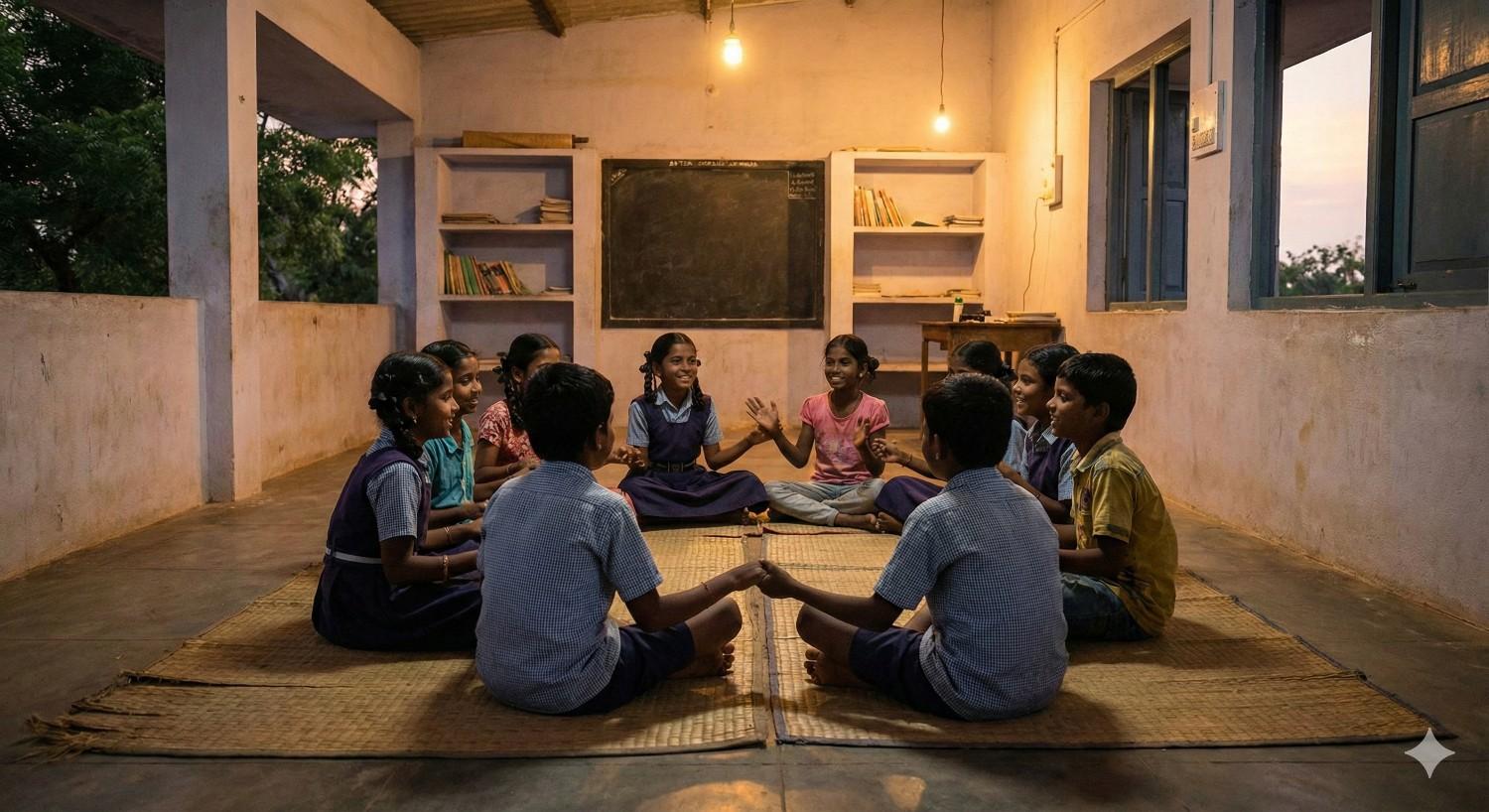
CALA runs in one simple room, a donated space from our neighbour, which we renovated to create a vibrant learning environment.
Around 20 children, mostly from the primary age group, each from different backgrounds and at different learning levels, are facilitated effectively by one or two teachers, learning every day.
If one hour a day can bring this much change, we often wonder,
what if children could learn this way for a whole day?
It feels like the sky is the only limit.
They just need a space where they can come into their full potential.
Are you in, to create such spaces?

.jpeg)
 Jun 10, 2026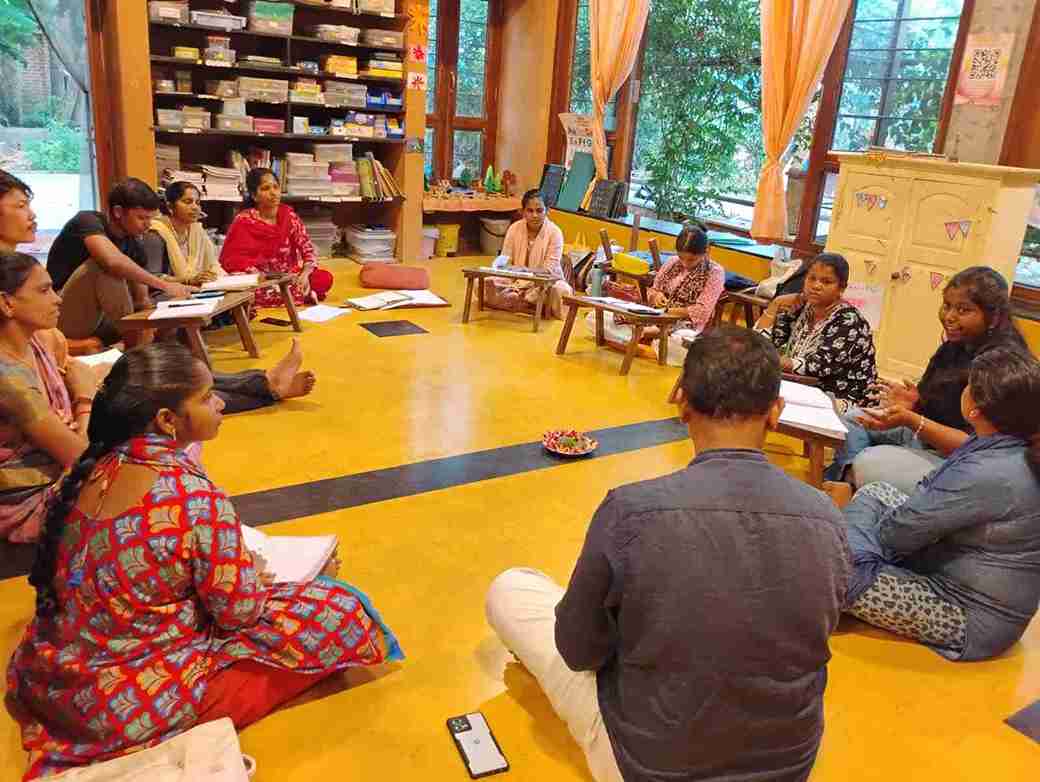


Blog Comments (0)
No comments yet.